
.webp)

.webp)
.webp)
.webp)


.svg)
.svg)

Introduction
Installing a rooftop solar system in India is one of the most effective ways to reduce electricity bills and transition toward clean energy. However, before a solar plant can start generating power and exporting electricity to the grid, it must comply with various solar panel rules and regulations in India.
Whether you are a homeowner, commercial property owner, housing society, or industrial consumer, understanding the required approvals can help avoid delays, unexpected costs, and compliance issues during installation.
The Indian government has introduced several rooftop solar guidelines to ensure safety, grid stability, and efficient energy generation. These regulations include DISCOM approvals, net metering requirements, subsidy eligibility criteria, CEIG approvals for large projects, and local building permissions where applicable.
With the increasing adoption of rooftop solar in India under initiatives such as the PM Surya Ghar Muft Bijli Yojana, consumers are increasingly searching for information on government regulations for solar panel installation, approval timelines, and subsidy requirements before investing in a solar system.
In this guide, we explain the complete solar panel permit requirements in India, approval processes, eligibility rules, and best practices to help you install your rooftop solar system smoothly and in compliance with current regulations.
Why Rooftop Solar Permits & Regulations Are Important
Before connecting a solar plant to the electricity grid, regulatory authorities must ensure that the system meets technical and safety standards. These approvals protect consumers, utility infrastructure, and the power network from operational risks.
Following rooftop solar guidelines helps:
- Ensure safe system operation
- Maintain grid stability
- Enable net metering benefits
- Qualify for government subsidies
- Avoid penalties or disconnection issues
- Improve long-term system performance
As rooftop solar installations continue to grow across India, regulatory compliance has become an essential part of the solar panel installation process.
Key Permits Required for Rooftop Solar Projects in India
Depending on system size, project type, and state regulations, the following approvals may be required:
1. DISCOM Approval
2. Net Metering or Gross Metering Approval
3. PM Surya Ghar Subsidy Registration
4. CEIG Approval (for large-scale projects)
5. Local Building Approval or NOC
The applicability of each approval depends on whether the installation is residential, commercial, industrial, or community-based.
DISCOM Approval for Rooftop Solar Systems
DISCOM approval is one of the most important requirements for grid-connected solar installations.
Since on-grid solar systems export electricity to the utility network, the local electricity distribution company must verify:
- Plant capacity
- Electrical safety compliance
- Grid compatibility
- Sanctioned load eligibility
- Metering requirements
The approval process varies between states and electricity distribution companies. Consumers should always refer to their local DISCOM guidelines for the latest requirements.
Information Typically Required for DISCOM Approval
- Consumer number
- Electricity bill
- Plant capacity details
- Site address
- Single line diagram
- Rooftop layout plan
Without DISCOM approval, a rooftop solar system cannot legally connect to the grid.
Net Metering & Gross Metering Regulations
One of the most searched rooftop solar regulations in India relates to net metering and gross metering.
What is Net Metering?
Net metering allows consumers to export excess solar electricity generated during the day to the grid.
Benefits include:
- Lower electricity bills
- Credit for excess energy generation
- Faster return on investment
- Improved solar utilization
What is Gross Metering?
Under gross metering:
- All solar power generated is exported to the grid
- Consumers receive payment based on approved tariffs
- Electricity consumption is billed separately
Net Metering vs Gross Metering
Important Rooftop Solar Eligibility Rules
Before applying for approvals, consumers should understand common eligibility requirements.
Sanctioned Load Limits
Many states allow solar capacity equal to the sanctioned load.
For example:
- Maharashtra permits capacity up to sanctioned load.
- Some states restrict commercial installations to a percentage of sanctioned load.
Transformer Capacity Restrictions
The local distribution transformer has a maximum rooftop solar integration limit.
DISCOM officials evaluate this during application review.
Net Metering Capacity Limits
Most states permit rooftop solar systems up to 1 MW under net metering arrangements, although limits may vary.
Always verify current state-specific regulations before installation.
Government Subsidy Regulations for Rooftop Solar
The Government of India promotes rooftop solar adoption through the PM Surya Ghar Muft Bijli Yojana.
Eligible residential consumers can receive financial assistance for rooftop solar loan installations.
Key Subsidy Benefits
- Reduced upfront investment
- Faster payback period
- Direct bank transfer of subsidy
- Online application process
Applications can be submitted through the National Portal for Rooftop Solar.
Related Search Intent Covered:
- PM Suryaghar Yojana subsidy
- rooftop solar subsidy in Maharashtra
- national portal for rooftop solar
CEIG Approval for Large Rooftop Solar Projects
The Chief Electrical Inspector to Government (CEIG) approval is generally required for large rooftop solar projects above prescribed capacity limits.
CEIG evaluates:
- Electrical safety
- Design compliance
- Grid synchronization requirements
- Technical feasibility
Residential rooftop solar systems typically do not require CEIG approvals.
Local Building Approval & NOC Requirements
For commercial buildings, housing societies, and multi-owner properties, obtaining a No Objection Certificate (NOC) is highly recommended.
A building NOC helps the following:
- Avoid ownership disputes
- Clarify rooftop usage rights
- Facilitate smoother project approvals
This requirement is especially important for apartment complexes and shared commercial premises.
Common Documents Required for Rooftop Solar Approvals
Prepare the following documents before starting the solar panel installation process:
- Latest electricity bill
- Government-issued ID proof
- Property ownership documents
- Rooftop layout plan
- Solar system design details
- Filled DISCOM application form
- Company registration documents (for commercial installations)
- NOC (if applicable)
Common Challenges in Rooftop Solar Approvals
Some challenges that consumers commonly face include:
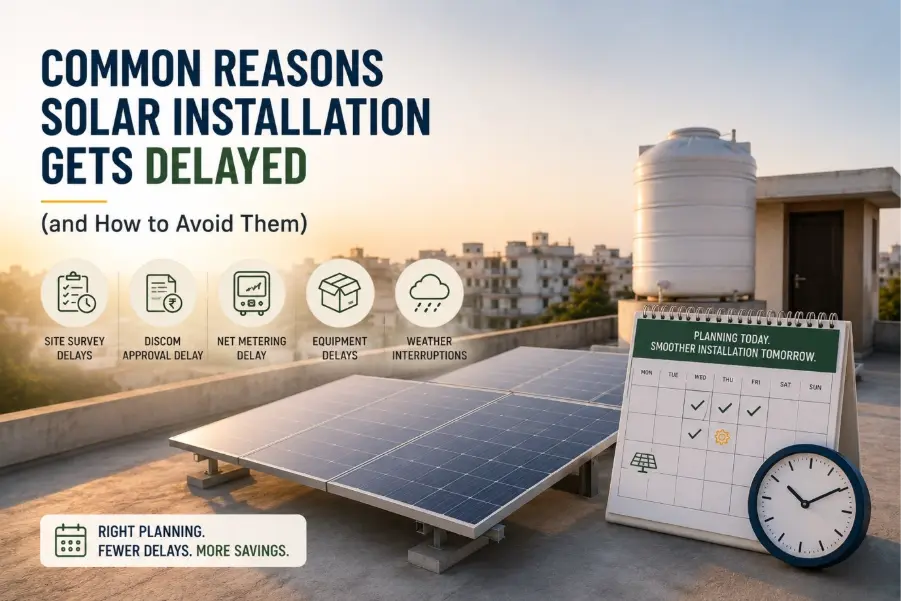
- Delays in DISCOM processing
- Incomplete documentation
- Meter replacement delays
- Transformer capacity limitations
- NOC-related disputes
- Changes in subsidy guidelines
Early preparation significantly reduces approval timelines.
Tips for Faster Rooftop Solar Approvals
To accelerate the approval process:
- Gather all documents in advance
- Verify sanctioned load eligibility
- Check meter and earthing conditions
- Apply for approvals early
- Track application status regularly
- Work with experienced EPC partners
Importance of Regulatory Compliance in Rooftop Solar
Compliance with solar panel regulations ensures:
- Safety
- Long-term performance
- Eligibility for subsidies
- Smooth grid integration
- Legal operation of the system
Ignoring regulatory requirements can lead to approval delays and operational issues.
Role of EPC Companies in Rooftop Solar Approvals
Experienced EPC companies help consumers:
- Prepare documentation
- Submit approval applications
- Coordinate with DISCOMs
- Manage net metering processes
- Ensure regulatory compliance
- Complete installations faster
Choosing the right EPC partner often reduces project delays significantly.
Conclusion
Understanding solar panel rules and regulations in India is essential for a smooth rooftop solar installation. From DISCOM approval and net metering compliance to subsidy registration and CEIG requirements, each step plays an important role in ensuring your solar system operates safely and legally.
As rooftop solar adoption continues to rise across India, staying informed about government regulations for solar panel installation can help homeowners and businesses avoid delays, maximize savings, and benefit from long-term clean energy generation.
Frequently Asked Questions
1. Is government approval required for rooftop solar installation in India?
Yes. Grid-connected rooftop solar systems require approval from the local DISCOM before being connected to the electricity network.
2. What is net metering in rooftop solar projects?
Net metering allows consumers to export excess solar electricity to the grid and receive credits that reduce future electricity bills.
3. Are there any rooftop solar regulations for commercial buildings?
Yes. Commercial buildings must comply with DISCOM regulations, sanctioned load limits, metering requirements, and in some cases local building approvals or NOCs.
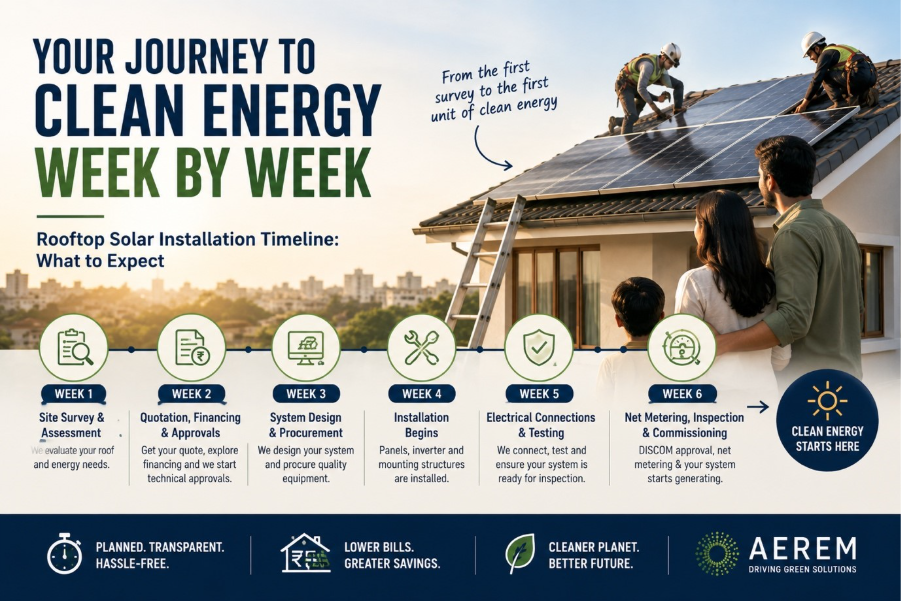
4. How long does rooftop solar approval take in India?
Approval timelines vary by state and DISCOM but generally range from a few weeks to a few months depending on documentation and inspection requirements.
5. Can rooftop solar be installed without subsidy approval?
Yes. Subsidies are optional. Consumers can install rooftop solar systems without applying for government financial assistance.














.png)


.png)



.jpeg)
.jpeg)





.jpeg)









.jpeg)
.webp)
.png)
.png)
.png)
.png)
.png)

.png)
.jpg)
