
.webp)

.webp)
.webp)
.webp)


.svg)
.svg)

Introduction
Rooftop solar is not just for people. For homes and businesses, it's a way to save on electricity bills and have a reliable energy source.
Many people are interested. They don't know how solar panel installation works. They don't know what it involves or how long it takes.
This guide will walk you through the solar installation process. We'll cover understanding system types to setting up a working system on your roof. We'll also look at loans for solar installation that can help with the investment.
What is Rooftop Solar Installation?
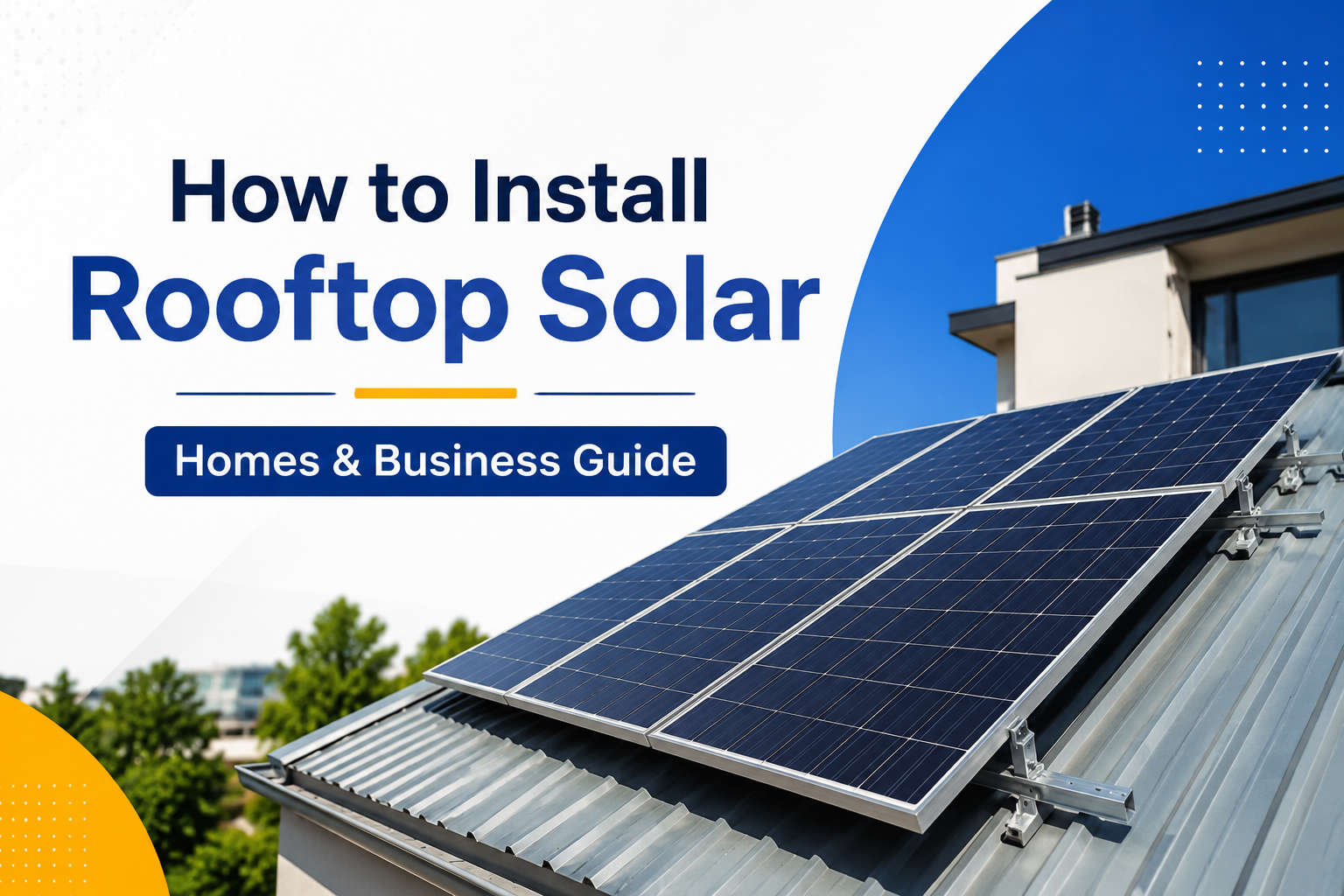
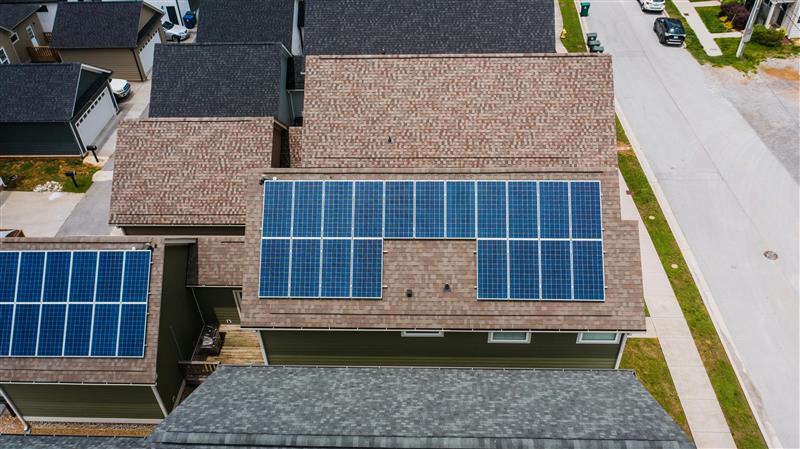
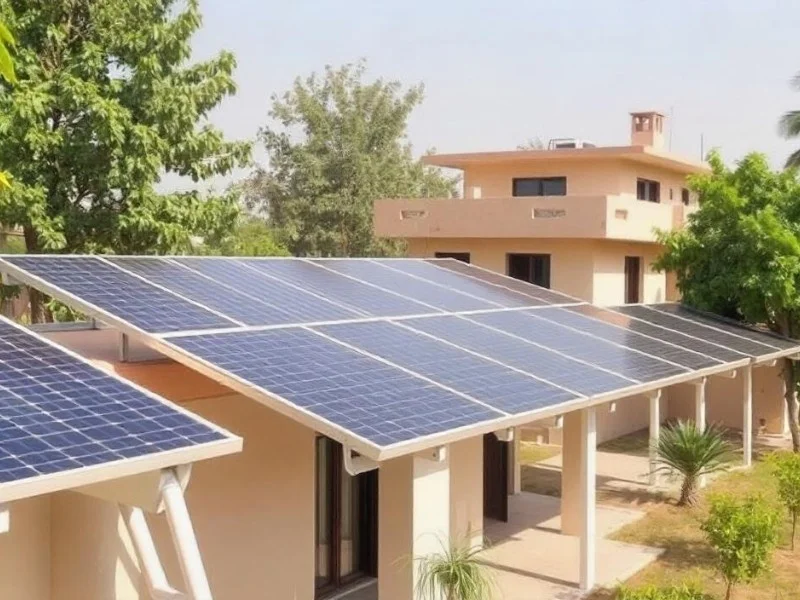
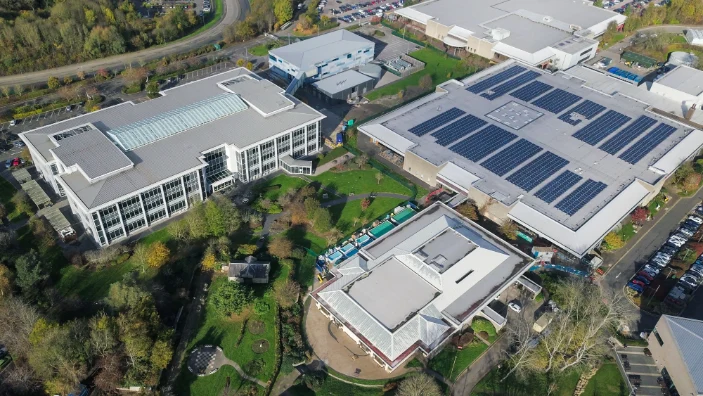
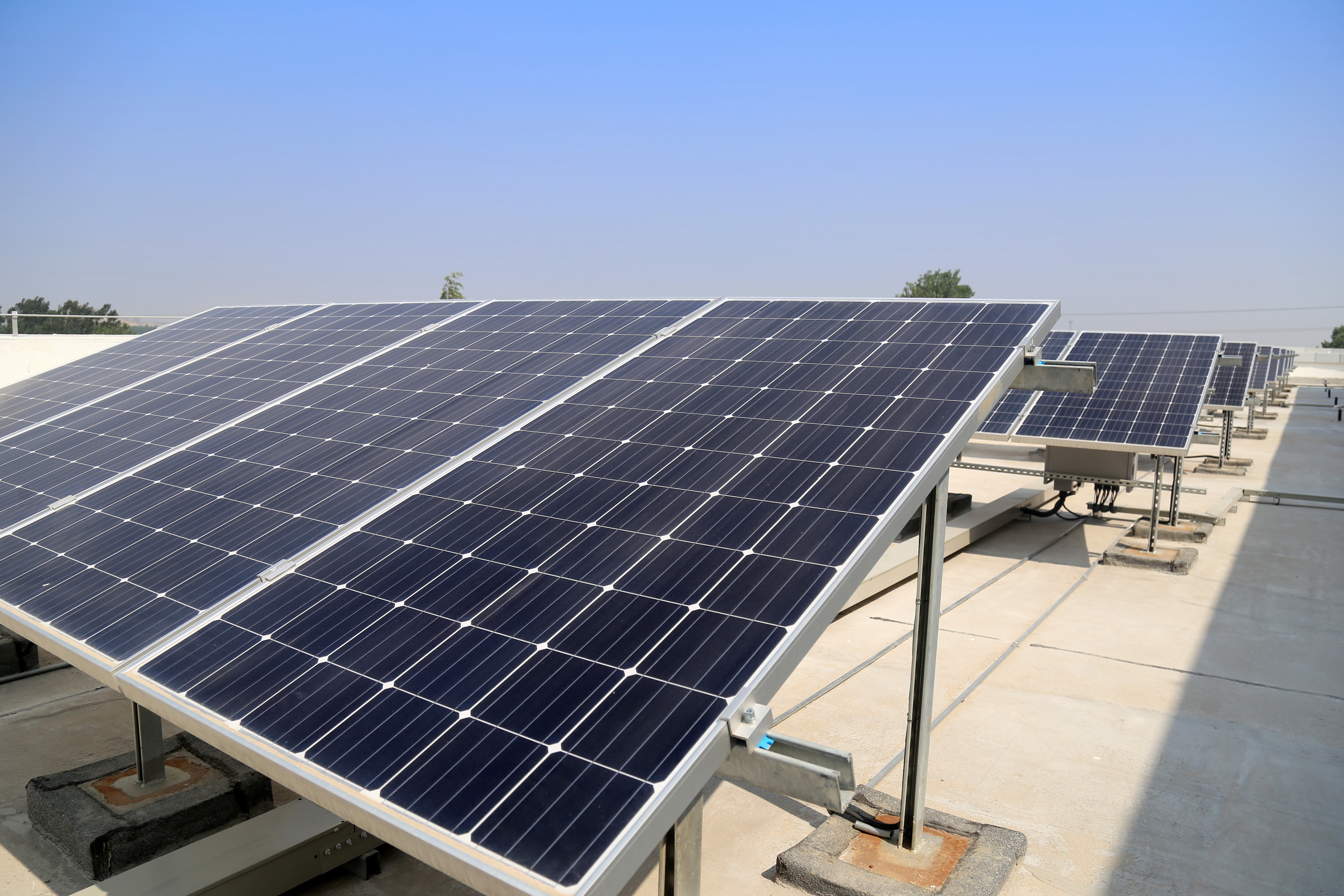
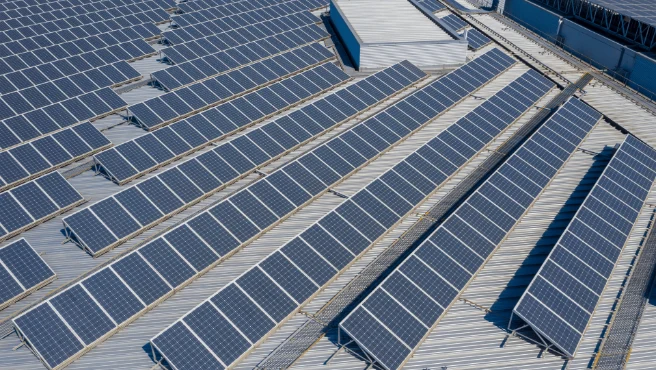
Rooftop solar installation is about setting up a system that turns sunlight into electricity. This is done using photovoltaic panels on rooftops.
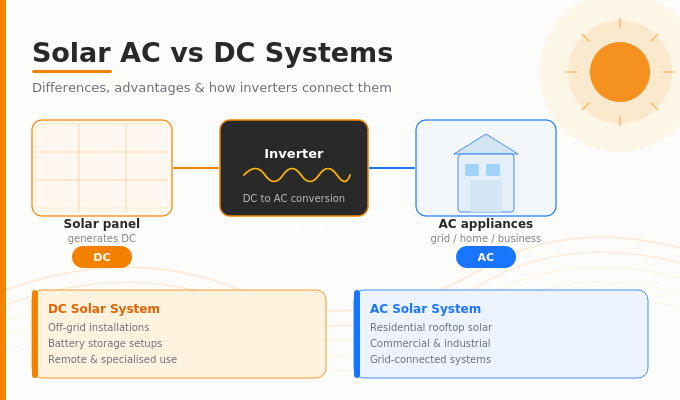
A typical solar PV system installation includes:
- Solar panels
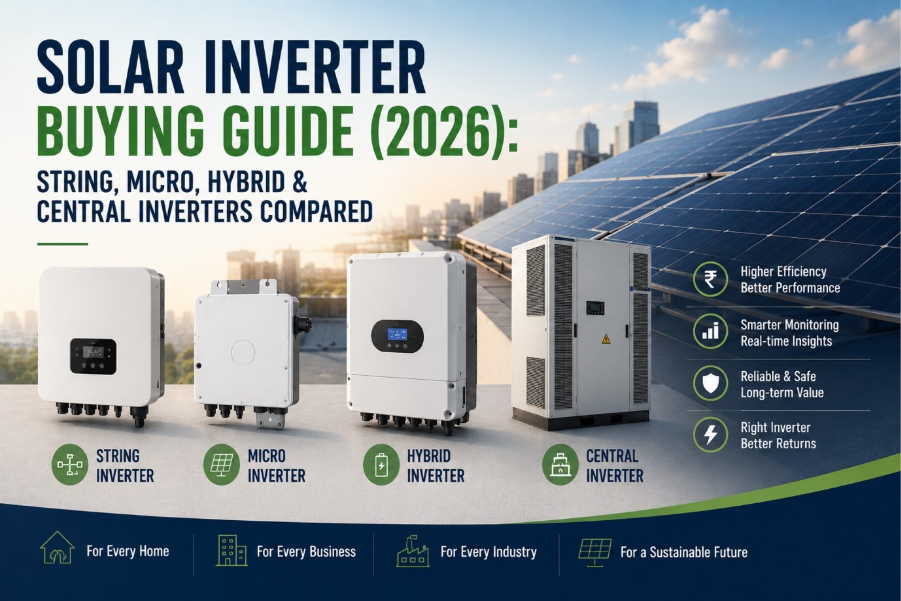
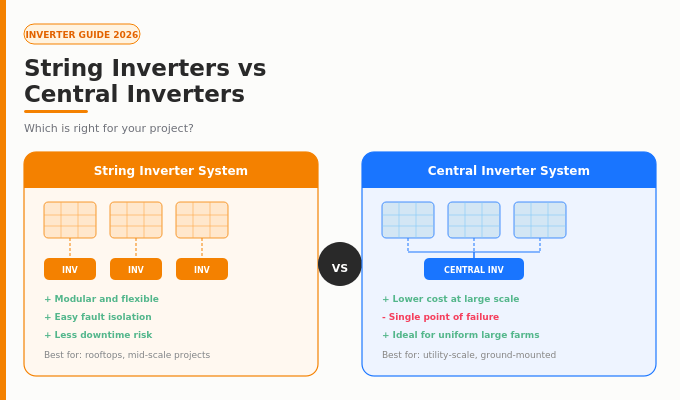
- Inverter
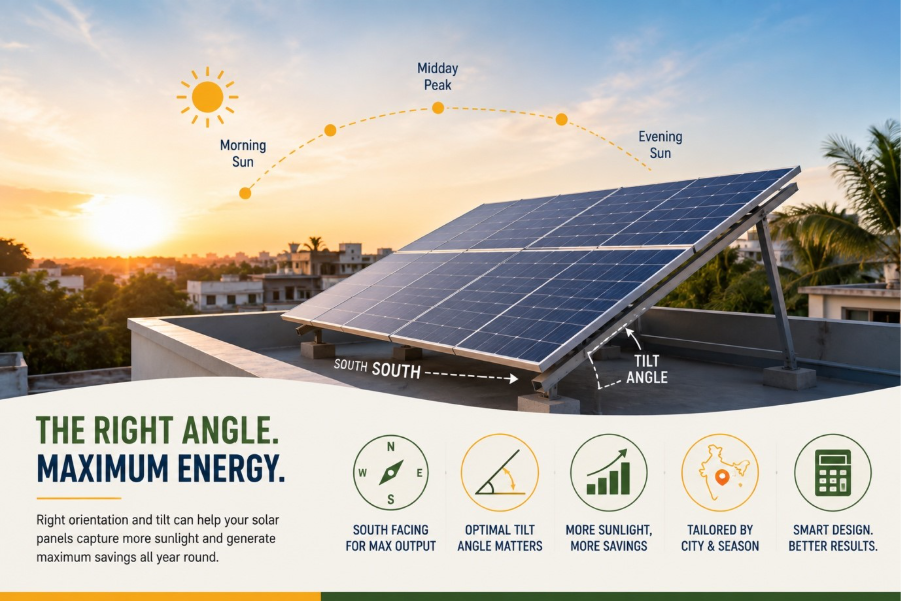
- Mounting structures
- Electrical connections
- Monitoring systems
Whether it’s a solar system installation for home or for a commercial unit, the principle remains the same: generate electricity at the point of consumption.
Types of Rooftop Solar Systems
Choosing the right system is one of the first and most important decisions.
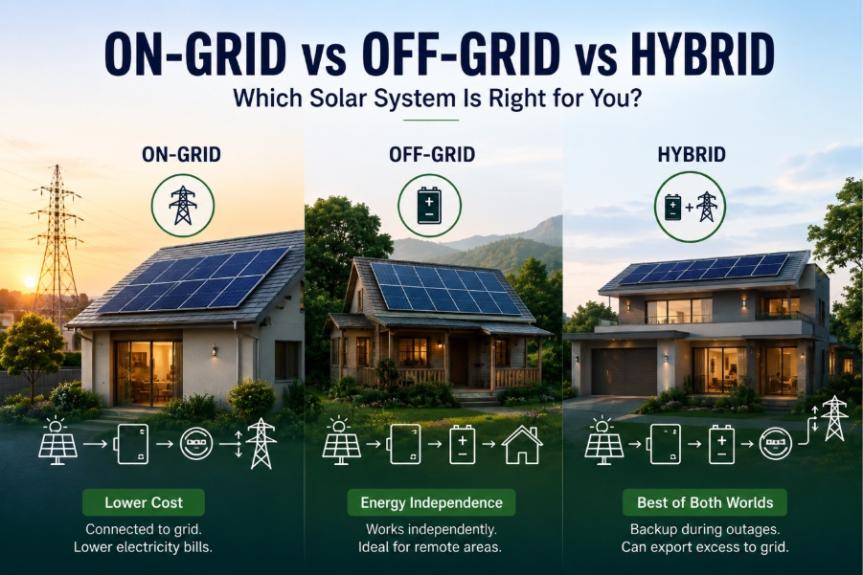
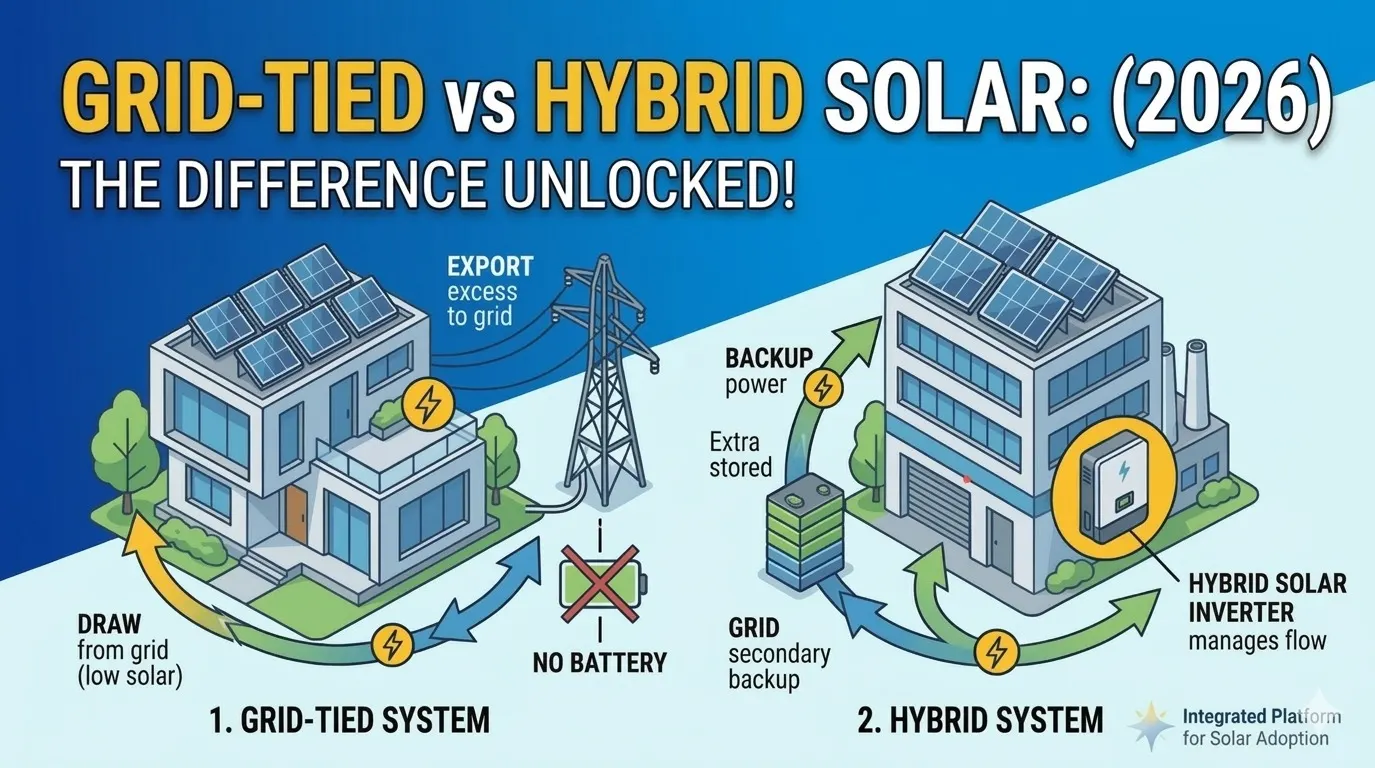
On Grid Solar Systems
These systems are connected to the electricity grid.
- No battery storage
- Excess power can be exported
- Most cost-effective option
This is the most common setup for solar panel setup for home, especially in urban areas.
Off Grid Solar Systems
These systems operate independently of the grid.
- Require battery storage
- Suitable for areas with unreliable electricity
- Higher upfront cost
Hybrid Solar Systems
Hybrid systems combine both grid connection and battery backup.
- Store excess energy
- Provide backup during outages
- More flexible but more expensive
Step-by-Step Rooftop Solar Installation Process
Understanding the solar panel installation process helps set realistic expectations.
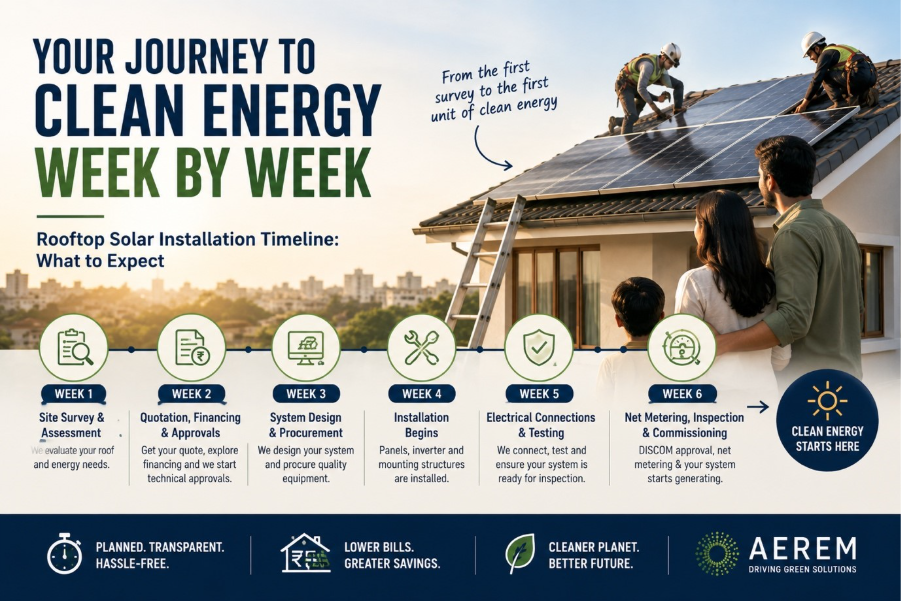
1. Site Assessment: The installer evaluates roof space, direction, shading, and structure.
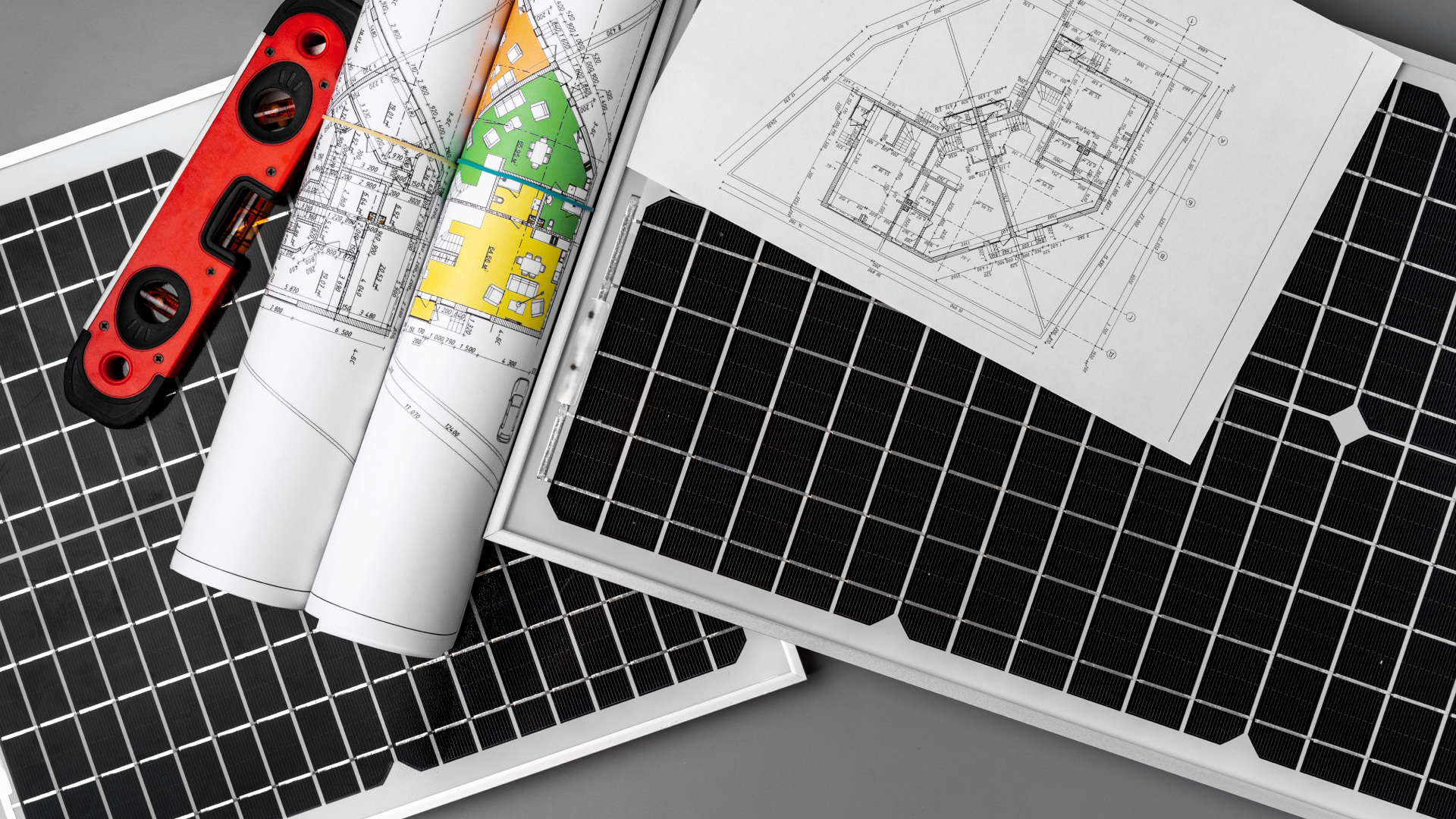
2. System Design: System size is calculated based on electricity consumption.
3. Approvals & Documentation: Applications are submitted for net metering and other approvals.
4. Procurement of Components: Panels, inverters, cables, and structures are sourced.
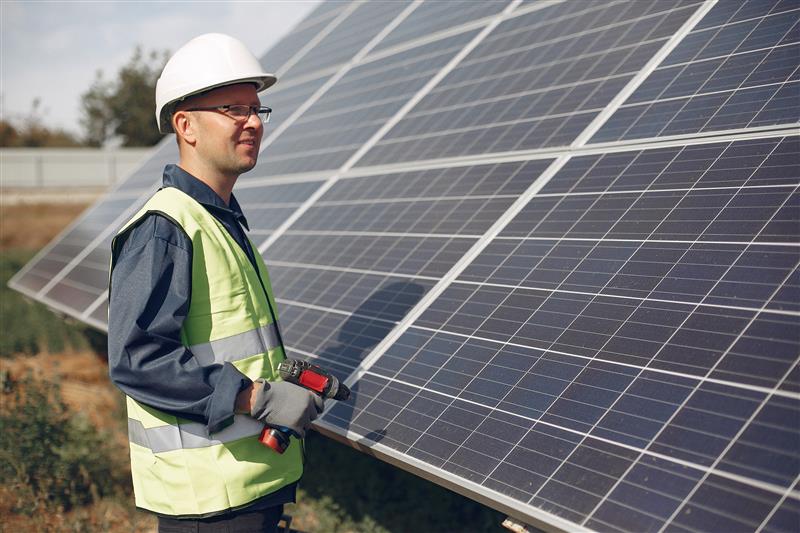
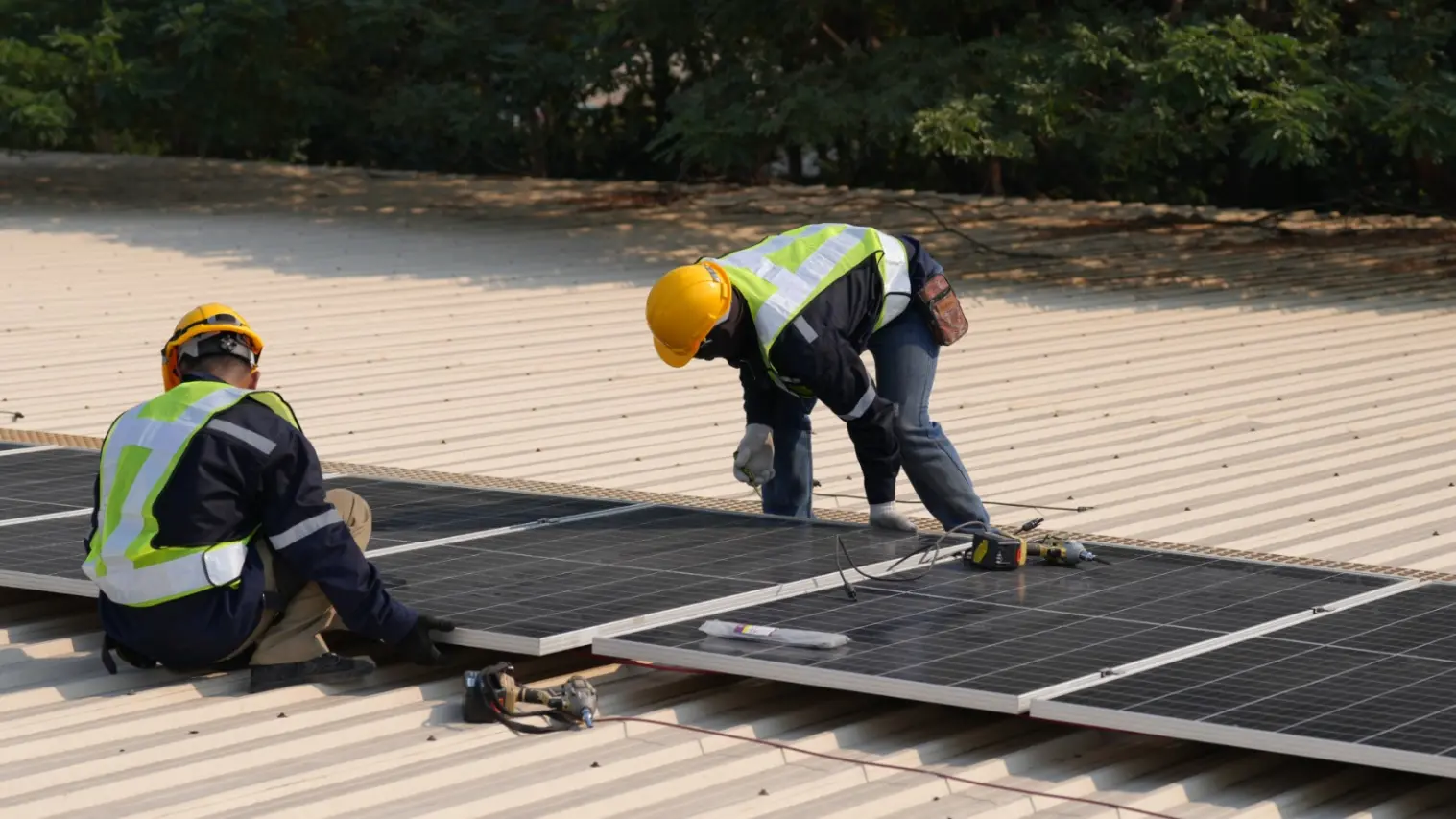
5. Installation: Mounting structures are installed, followed by panels and wiring.
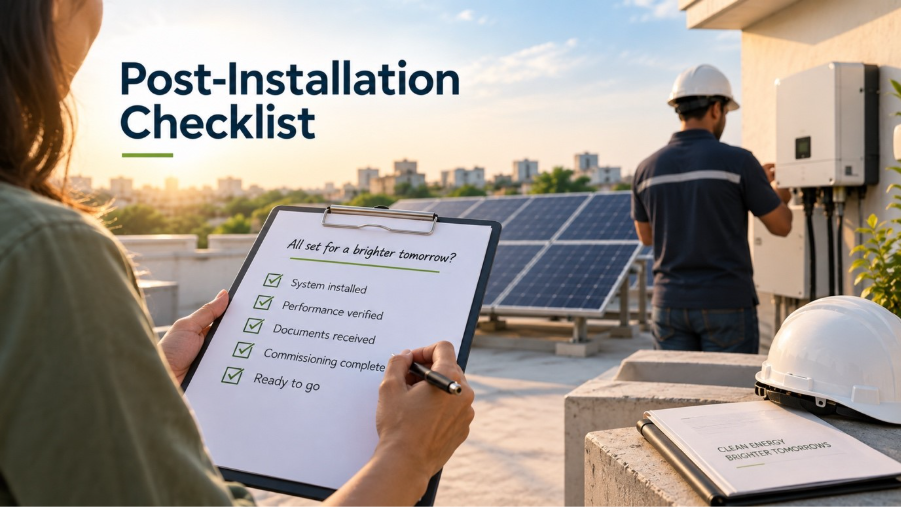
6. Testing & Commissioning: The system is tested and connected to the grid.
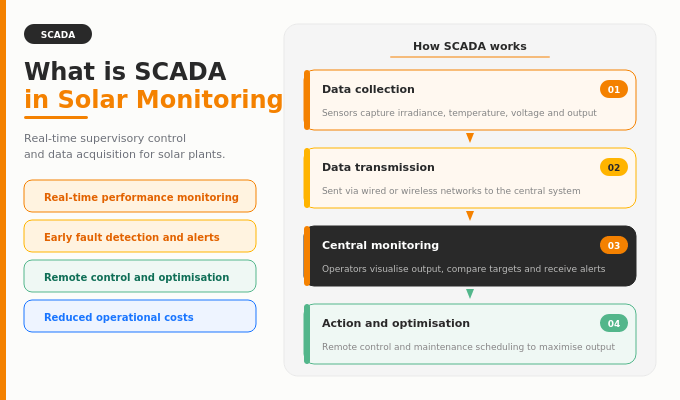
7. Monitoring Setup: Performance tracking systems are configured.
Equipment Required for Solar Installation
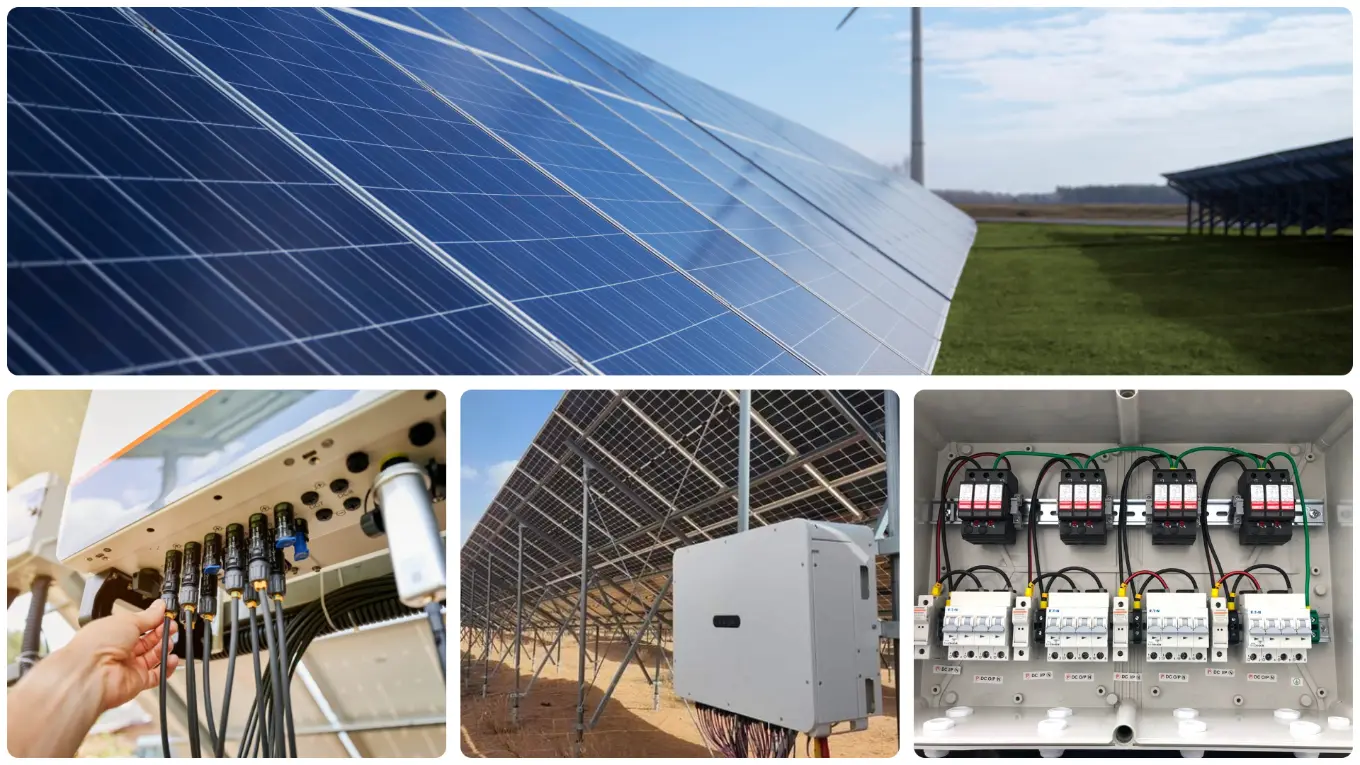
A standard solar PV system installation requires:
- PV solar panels/modules
- Solar inverter
- Mounting structures
- ACDB and DCDB
- Cables and connectors
- Monitoring system
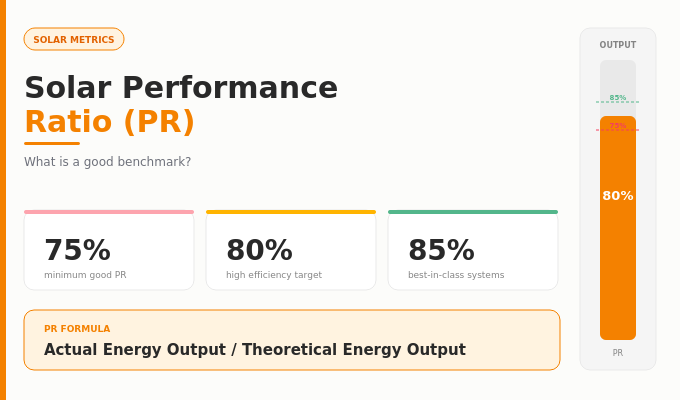
Each component plays a role in ensuring system efficiency and safety.
Cost of Rooftop Solar Installation in India
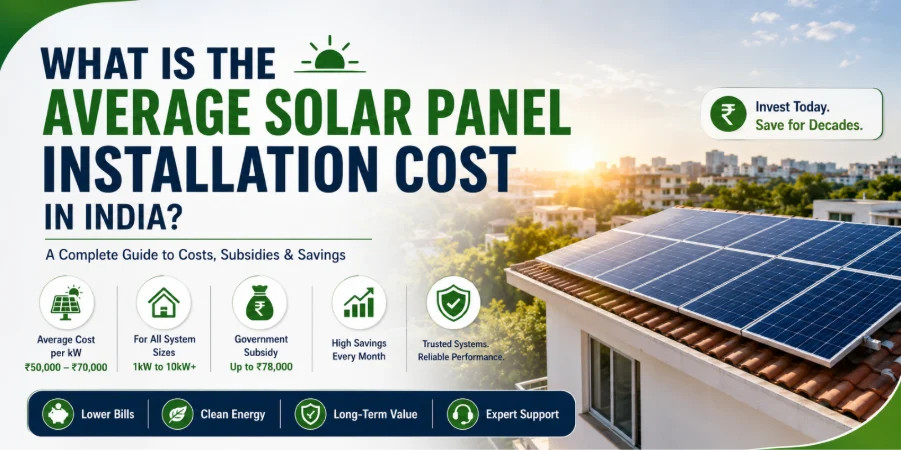
The cost of installation in India varies. It depends on system size, component quality, location, and installer.
The Ministry of New and Renewable Energy defines benchmark costs for rooftop systems. These costs are used for subsidy calculations.
These benchmark costs are not indicative of final market prices, which are determined by empaneled vendors, system design, and project-specific requirements.
In practice, installation costs are influenced by:
- system size and configuration
- module efficiency and inverter type
- structural and installation complexity
- location and logistics
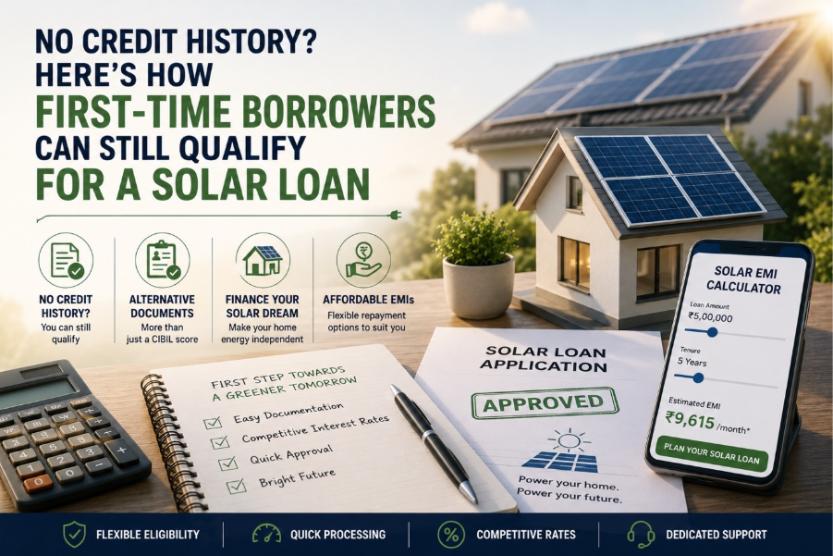
Indicative system costs are often derived from industry trends and MNRE-aligned subsidy structures, but final pricing must be confirmed with authorized vendors. Many users also explore options like a solar installation loan to manage upfront investment.
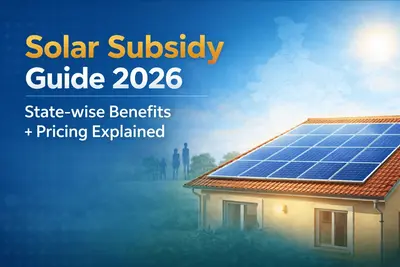
Government Subsidy and Net Metering
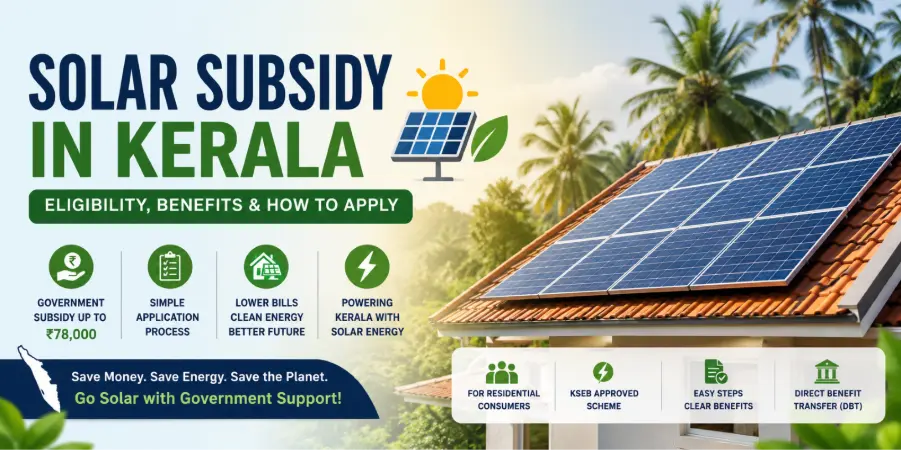
Residential rooftop solar systems in India are supported under the:
PM Surya Ghar: Muft Bijli Yojana (Ministry of New and Renewable Energy, Government of India)
Under this scheme, subsidy is provided in fixed slabs:
- ₹30,000 per kW for the first 2 kW of installed capacity
- ₹18,000 for the 3rd kW
- Maximum subsidy capped at ₹78,000 per household
(Source: PM Surya Ghar National Portal, MNRE Guidelines)
The subsidy is:
- applicable only to residential consumers
- provided after installation and verification
- transferred directly to the beneficiary’s bank account through Direct Benefit Transfer (DBT)
Net Metering
Net metering allows consumers to export excess electricity generated by their rooftop system back to the grid.
As per MNRE-supported programs and state electricity regulatory frameworks, net metering is enabled through local DISCOMs, subject to technical feasibility and applicable state regulations.
This mechanism helps improve the overall economics of rooftop solar systems by offsetting electricity consumption.
Benefits of Rooftop Solar Systems
- Lower electricity bills: Reduces dependency on grid power.
- Long-term savings: Systems typically recover costs within a few years.
- Energy independence: Less exposure to tariff fluctuations.
- Sustainability: Reduces carbon footprint without changing consumption habits.
- Better asset utilisation: Unused roof space becomes productive.
Challenges in Rooftop Solar Installation
Despite the advantages, a few challenges remain:
- High upfront investment
- Approval delays (DISCOM processes)
- Roof space limitations
- Lack of awareness around system sizing
For businesses and EPCs, working capital and payment cycles can also become constraints.
Tips Before Installing Solar Panels
Before you decide how to install solar panels at home, consider:
- Assess your current and future electricity usage
- Choose the right system type (on-grid vs hybrid)
- Ensure roof structure is suitable
- Work with reliable installers
- Understand financing and subsidy options
Planning well at the start prevents performance issues later.
Why Execution Matters as Much as Design
While the process may seem straightforward, rooftop solar involves multiple moving parts; design, procurement, financing, installation, and monitoring.
When these are handled in silos, gaps can appear in performance and accountability.
Aerem operates as a full-stack digital platform for solar adoption, bringing together financing, procurement, installation, and monitoring into a more integrated system. This helps ensure that the solar system installation for a home or business is not just completed but performs consistently over time.
Conclusion
Rooftop solar is not just about installing panels; it’s about building a system that works efficiently for years.
Understanding the solar panel installation process, choosing the right system, and planning for both cost and performance can make a significant difference.
With the right approach, solar shifts from being a one-time project to a long-term energy solution.
Frequently Asked Questions
1. How to install solar panels on the roof?
The process involves mounting structures, placing panels, wiring, and connecting to an inverter and grid.
2. How long does installation take?
Typically 2–7 days depending on system size.
3. Is rooftop solar suitable for businesses?
Yes, especially for high daytime consumption.
4. ,Do I need batteries?
Only for off-grid or hybrid systems.











.png)


.png)


.jpeg)
.jpeg)




.jpeg)









.jpeg)
.webp)
.png)
.png)
.png)
.png)
.png)

.png)
.jpg)
