
.webp)

.webp)
.webp)
.webp)


.svg)
.svg)

Introduction
As rooftop solar adoption grows across India, one question continues to come up: which type of solar panel should you choose?
With multiple options available in the market, understanding the types of solar panels becomes essential before making an investment. Each type differs in efficiency, cost, lifespan, and suitability depending on where and how it is being used.
This guide breaks down the different types of solar panels in India in a simple, practical way so you can make an informed decision.
How Solar Panels Work
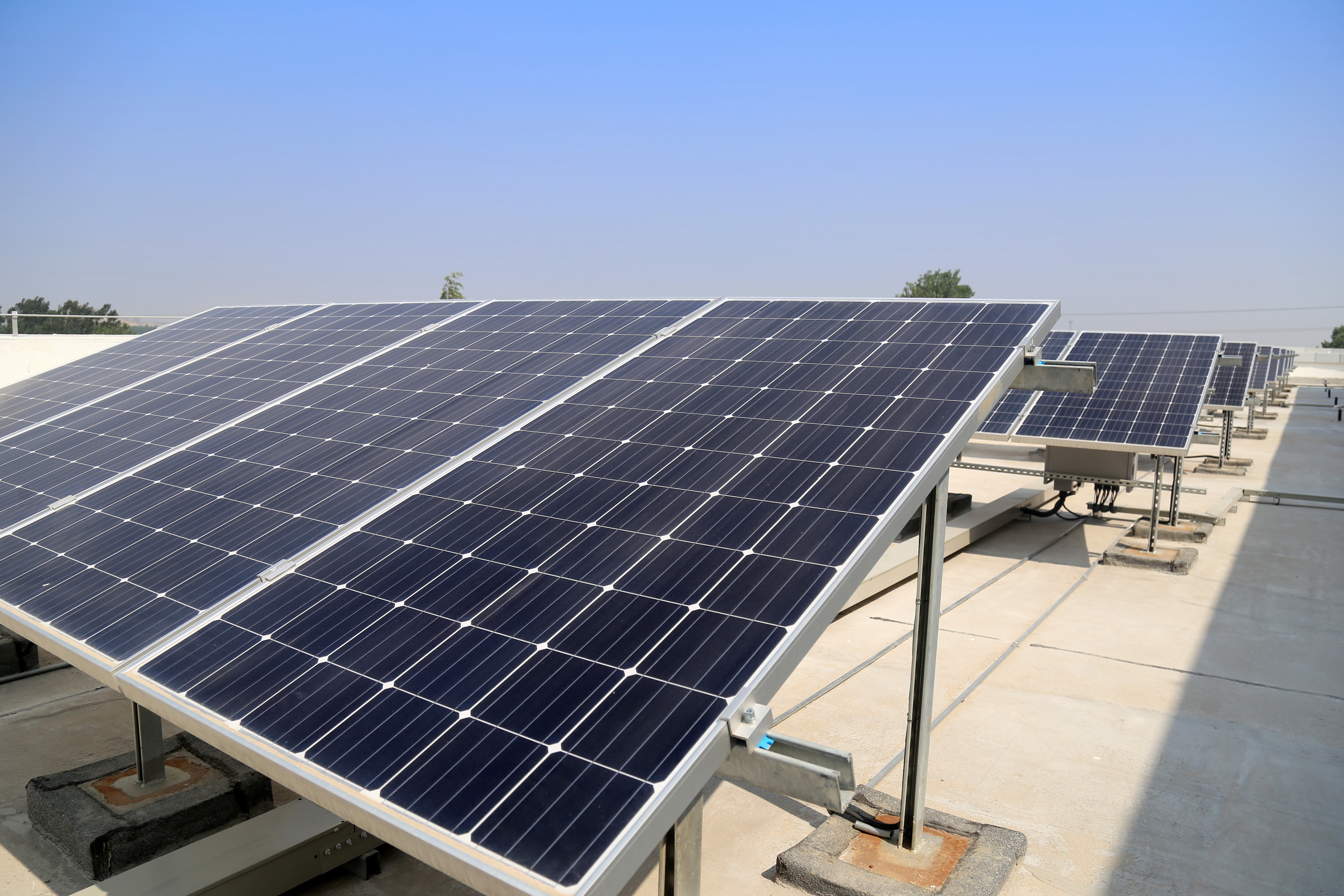
Solar panels convert sunlight into electricity using photovoltaic (PV) cells.
When sunlight hits the panel surface:
- photons excite electrons inside the cells
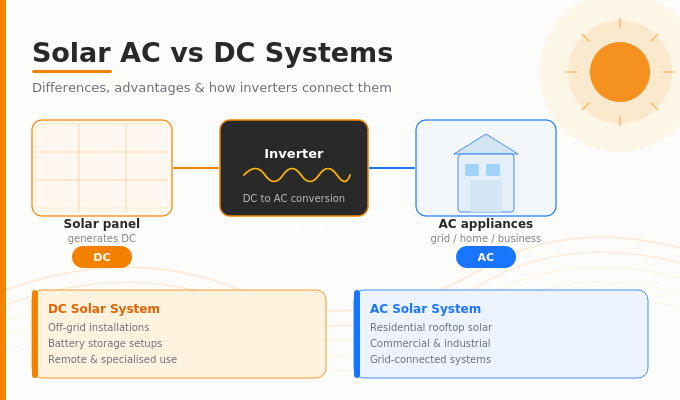
- this generates direct current (DC) electricity
- the inverter converts it into usable alternating current (AC)
While this principle remains the same across all panels, what differs is the material and structure, which directly impacts performance.
Main Types of Solar Panels Used in India
There are four commonly used types of solar panels in India:
- Monocrystalline
- Polycrystalline
- Thin-film
- Bifacial
Each serves a different purpose depending on space, budget, and performance expectations.
Monocrystalline Solar Panels
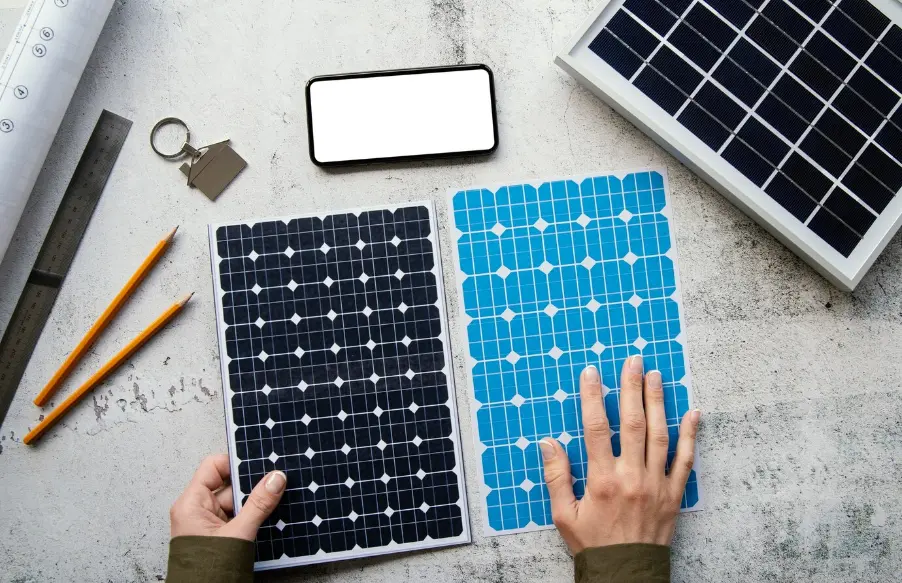
Monocrystalline panels are made from a single continuous crystal structure.
Key characteristics:
- Higher efficiency (18-22%)
- Uniform dark appearance
- Better performance in low light
These are often considered among the most efficient solar panels available for residential and commercial use.
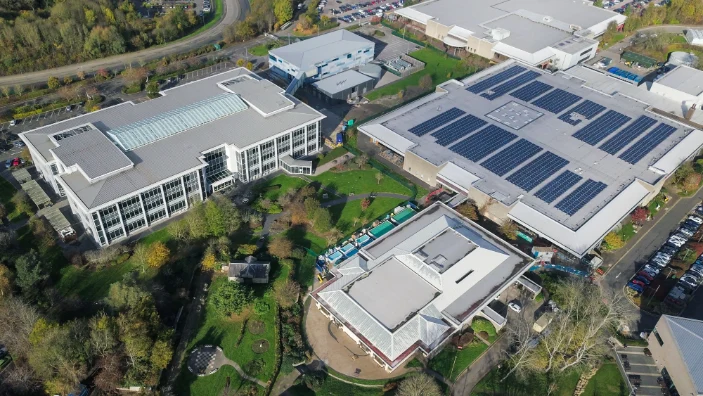
Because of their efficiency, they require less space, making them suitable for rooftops where area is limited. They are also ideal for homeowners considering solar power financing, as their high efficiency can maximize energy savings over time.
Polycrystalline Solar Panels
Polycrystalline panels are made by melting multiple silicon fragments together.
Key characteristics:
- Lower cost compared to monocrystalline
- Slightly lower efficiency (15-17%)
- Blue, speckled appearance
These panels are widely used in India due to their affordability and reliability, especially for larger installations where space is not a major constraint. Polycrystalline panels are often preferred for projects availing commercial solar panel financing due to their cost-effectiveness.
Thin-Film Solar Panels
Thin-film panels are made by depositing photovoltaic material onto a surface such as glass or metal.
Key characteristics:
- Lightweight and flexible
- Lower efficiency
- Suitable for specific applications
They are less commonly used in residential settings but can be useful in large-scale or unconventional installations.
Bifacial Solar Panels
Bifacial panels generate electricity from both sides, front and back.
Key characteristics:
- Capture reflected sunlight
- Higher potential energy generation
- Suitable for ground-mounted or elevated systems
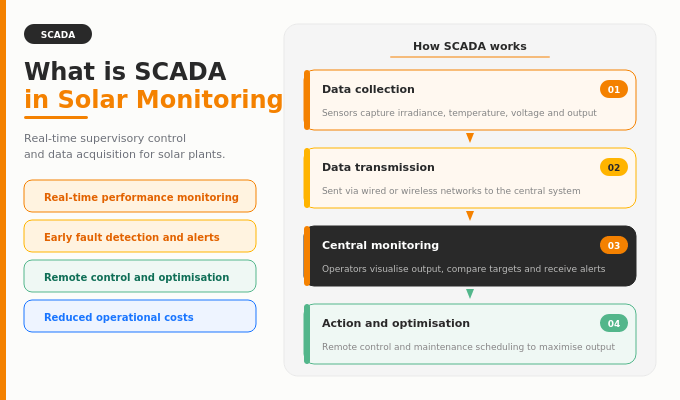
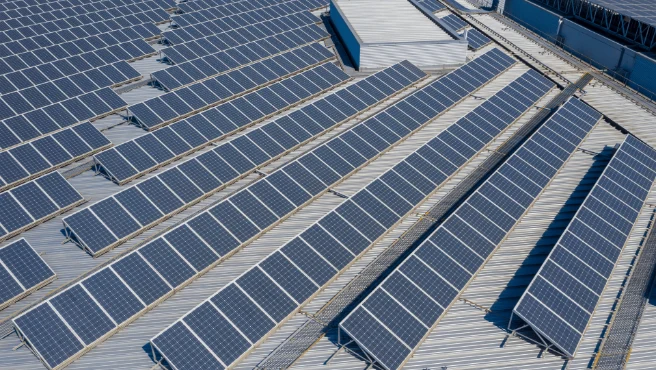
These panels are gaining traction in commercial and utility-scale projects in India. With advanced solar plant monitoring, bifacial panels can optimize energy generation by tracking real-time performance.
Comparison of Different Types of Solar Panels
Here’s a simplified comparison:
This comparison helps clarify how different types of solar panels fit different use cases.
Which Type of Solar Panel Is Best for Home Use in India?
For most households, the best type of solar panel depends on two things:
- Available roof space
- Budget
In general:
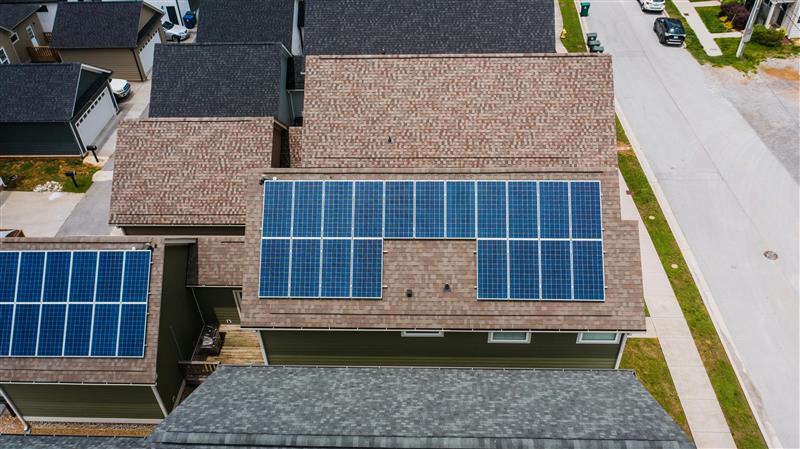
- Monocrystalline panels are preferred when space is limited
- Polycrystalline panels work well when cost is a priority
There is no one-size-fits-all answer; the right choice depends on balancing efficiency and affordability.
Factors to Consider When Choosing Solar Panels
Before finalizing a system, consider:
- Space availability: Higher-efficiency panels are better for smaller rooftops.
- Budget: Initial investment varies depending on panel type.
- Energy requirement: System size depends on electricity consumption.
- Climate conditions: Dust, heat, and shading can affect performance.
- Installation type: Rooftop vs. ground-mounted systems influence panel choice.
Solar Panel Efficiency, Lifespan, and Performance
Efficiency and lifespan are often confused but are both important.
- Efficiency determines how much sunlight is converted into electricity
- Lifespan refers to how long the panel continues to perform effectively.
Most modern panels:
- are designed for long-term use
- gradually degrade over time
- Maintain performance within acceptable limits for years.
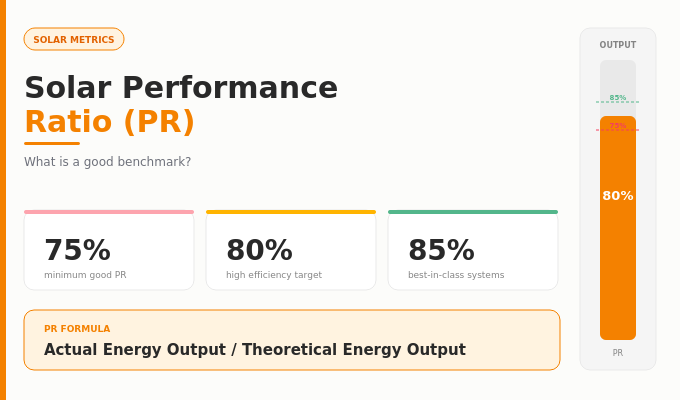
Higher efficiency panels generally provide better output per square foot, but system design and installation quality also play a critical role.
Latest Solar Panel Technologies in India
The Indian solar market is evolving rapidly, with newer technologies improving performance.
Some emerging trends include:
- Higher efficiency monocrystalline variants
- Improved inverter compatibility
- Better performance in high-temperature conditions
- Integration with monitoring systems
Technology is steadily improving, but choosing the right system still depends more on application than just innovation.
Why the Choice of Panel Is Only One Part of the System
While choosing between the different types of solar panels in India is important, panel selection is just one part of the overall system.
Performance also depends on:
- system design
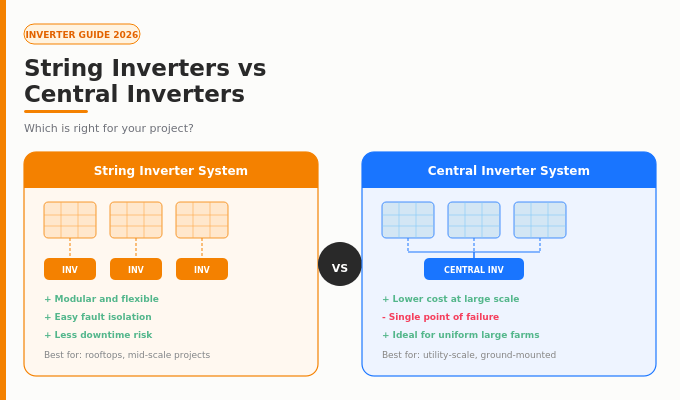
- inverter quality
- installation standards
- long-term monitoring
Aerem operates as a full-stack digital platform for solar adoption, helping bring together procurement, financing, installation, and performance tracking into a more connected ecosystem. This ensures that panel choice translates into actual performance over time.
Conclusion
Understanding the types of solar panels is the first step in building a reliable solar system.
Each type has its own strengths, and the right choice depends on your specific requirements, not just efficiency or cost alone.
By looking at the complete picture, space, budget, and usage, you can choose a system that performs consistently and delivers long-term value.
Frequently Asked Questions
1. What are the different types of solar panels in India?
Monocrystalline, polycrystalline, thin-film, and bifacial panels.
2. Which are the most efficient solar panels?
Monocrystalline panels are generally considered among the most efficient.
3. What is the best type of solar panel for a home?
It depends on space and budget, though monocrystalline panels are commonly preferred.
4. Are expensive panels always better?
Not necessarily; system design and installation quality matter just as much.












.png)


.png)


.jpeg)
.jpeg)



.jpeg)








.jpeg)
.webp)
.png)
.png)
.png)
.png)
.png)

.png)
.jpg)
